Technology platforms are not just tools we use. Many of them are also designed to compete for our attention and keep us online for as long as possible.
In How Technology is Hijacking Your Mind, Tristan Harris explains how digital platforms use certain design features to influence the way people behave. Notifications, autoplay, and rewards like likes or messages can all encourage people to stay on an app longer than they planned. Harris compares this experience to a slot machine because users keep checking their phones without knowing what they might see next.
I fall victim to this almost every day, especially on Instagram and TikTok. Sometimes I find myself scrolling without really engaging with any of the content. I will even scroll back up and realize I barely remember what I just watched or saw. At that point, I am not really using the app with a purpose. I am just mindlessly scrolling because there is always something new waiting on the next swipe.
This idea connects closely to the Center for Humane Technology’s Ledger of Harms. The site looks at the larger effects technology can have on attention, mental health, relationships, and the way people receive information. It argues that many platforms are part of a race to capture as much human attention as possible.
One of the biggest ideas in both readings is that attention has become valuable. Social media companies often make money when users spend more time scrolling, clicking, and watching content. Because of that, platforms have a reason to create features that keep people engaged.
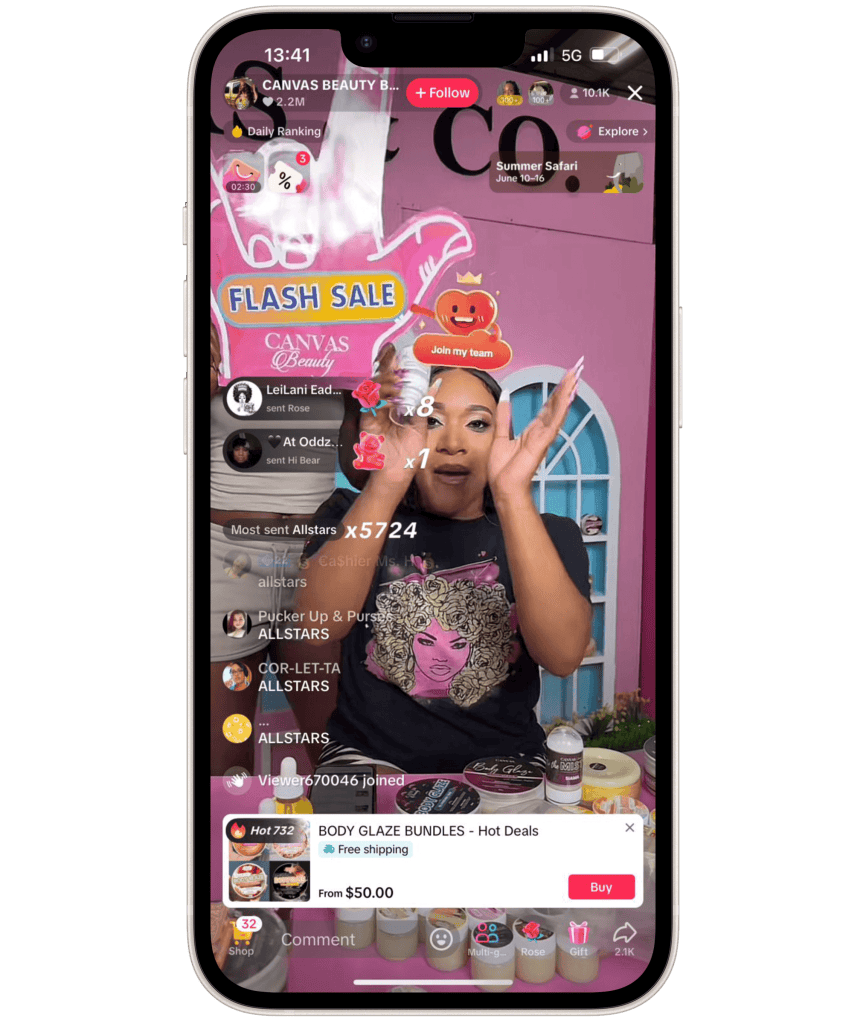
I think one of the clearest examples of this shift is the growth of TikTok Live. Some companies now hire people specifically to host live streams and sell products for hours at a time. The hosts use constant conversation, limited-time deals and repeated calls to comment or buy in order to keep viewers watching. It shows how social media has moved beyond simply sharing content and has become a space where attention itself can directly lead to sales.
The readings also raise questions about personal responsibility. It is easy to say that people should simply spend less time on their phones. However, Harris points out that many apps are carefully designed to be hard to ignore. That does not mean users have no control, but it does show that the problem is more complicated than a lack of self-control.
Both readings show why it is important to think more carefully about the attention economy. Users should understand how digital platforms influence their behavior, and technology companies should think about whether keeping people engaged should always be the main goal.
The bigger question is whether we are choosing how we use technology, or whether technology is starting to make more of those choices for us.


Leave a Reply